Below are the books I most often recommend to clients, podcast listeners, and fellow ADHD brains. You can’t choose wrong. Start with whatever speaks to you.
*As an Amazon Associate, I earn from qualifying purchases. Links below may earn me a commission at no extra cost to you.
Understanding ADHD
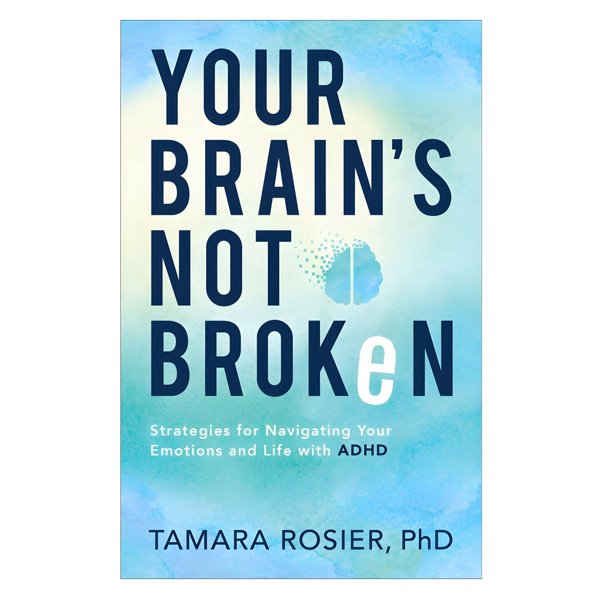
Your Brain's Not Broken
Tamara Rosier
This is my current go-to recommendation for anyone wanting to better understand their ADHD brain. I love how warm, relatable, and practical it is, especially the way it connects emotion, motivation, executive function, and self-trust.
Best for: Understanding your ADHD brain with more compassion and practical next steps.
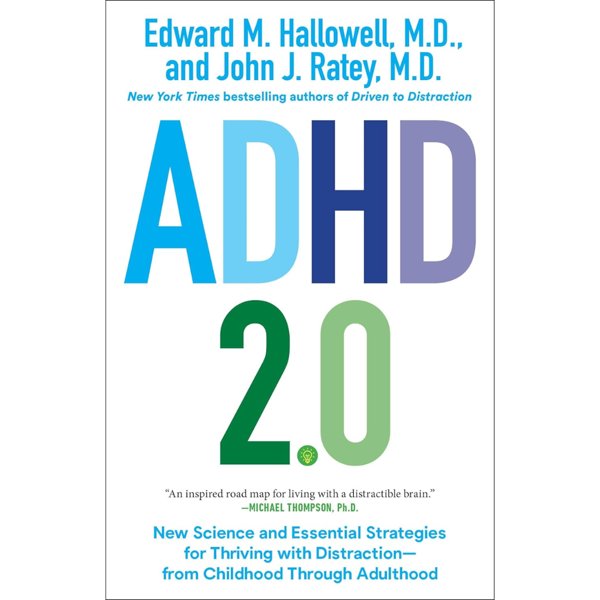
This is a great science-backed overview of ADHD that’s still very accessible. I appreciate how it explains the “why” behind things like transitions, time, emotional regulation, and negative self-talk.
Best for: Learning the science behind ADHD patterns in a clear, approachable way.
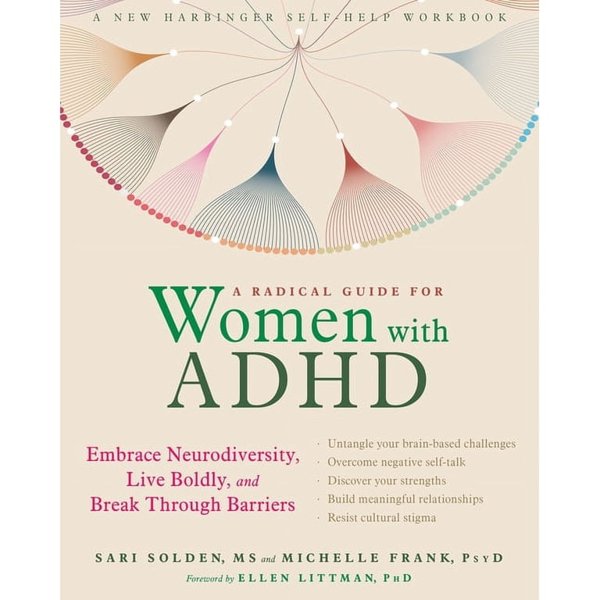
This book is especially validating for women and people socialized as girls who have spent years masking, compensating, and wondering why everything seems harder than it “should” be. I love how it helps us release shame, reconnect with who we are underneath all the coping strategies, and make space for the parts of us that may have been labeled too sensitive, scattered, too much, or not enough.
Best for: Releasing shame, unmasking, and reconnecting with who we are underneath the coping strategies.
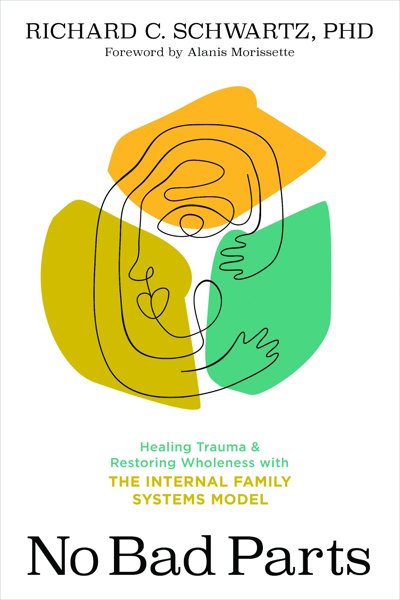
This book introduces Internal Family Systems, and I find it incredibly helpful for building more curiosity and compassion toward ourselves. It helps us look at the parts we might normally judge, like the procrastinator, perfectionist, or avoider, and begin understanding what those parts are trying to protect or support.
Best for: Building self-compassion toward the parts of us we usually judge.
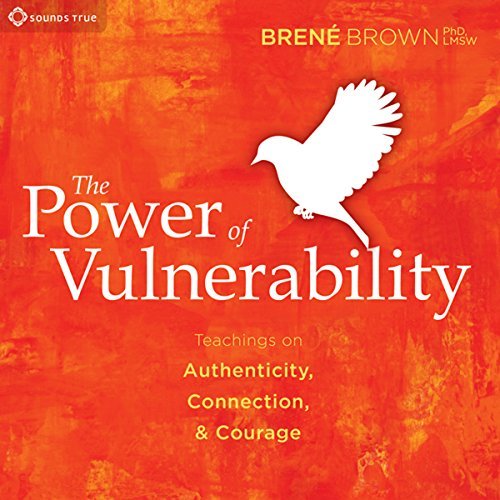
This audio series was a major turning point for me. It helped me understand shame, fear, connection, and worthiness in a completely new way, and I remember listening and realizing, “Oh. We can talk about this stuff.”
Best for: Understanding shame, vulnerability, connection, and worthiness in a deeply human way.
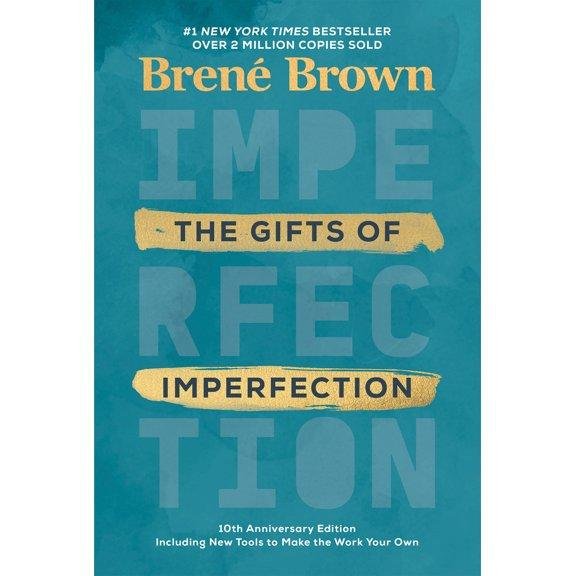
I think of this as a beautiful companion to The Power of Vulnerability. It expands on self-compassion, quieting perfectionism, letting go of what other people think, and giving ourselves permission to show up more fully as we are.
Best for: Letting go of perfectionism and practicing more self-compassion.
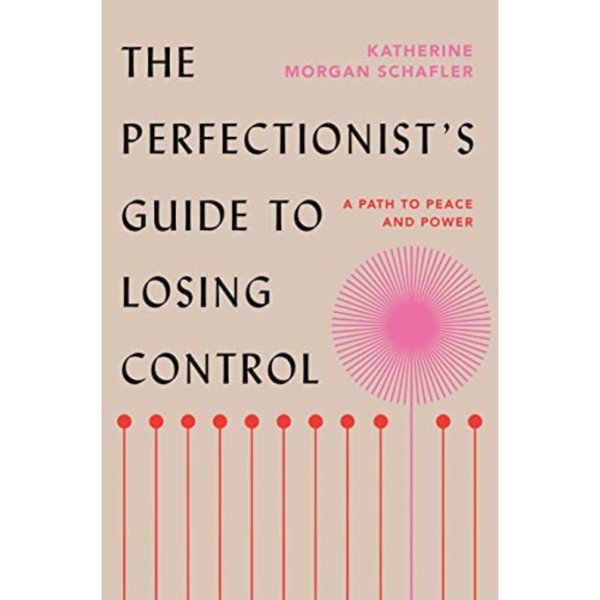
I appreciate that this book doesn’t frame perfectionism as automatically terrible or something we need to fix overnight. Instead, it helps us understand how perfectionism shows up and how we can work with it more intentionally, especially when we’re driven but also exhausted or self-critical.
Best for: Understanding perfectionism without shame and learning how to work with it more intentionally.
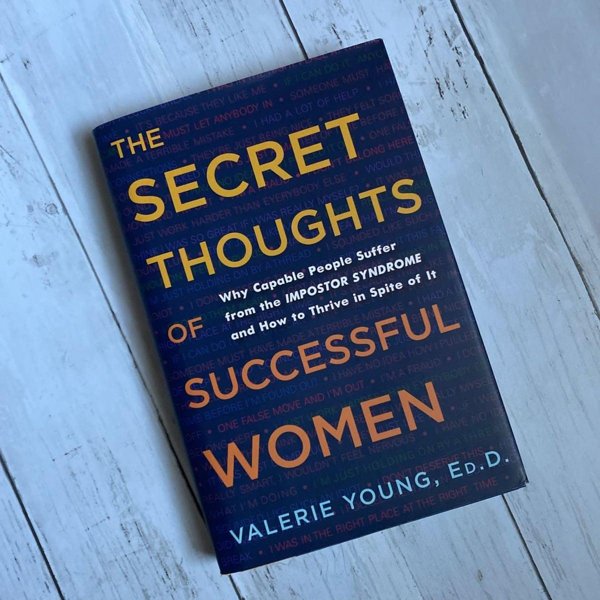
I love how this book helps us recognize the sneaky ways imposter syndrome shows up, even when we have plenty of evidence that we’re capable. It explores why we discount our accomplishments, attribute success to luck, and hold ourselves to impossible standards, while offering ways to challenge those patterns and begin trusting our abilities.
Best for: Recognizing imposter syndrome, challenging self-doubt, and learning to own our accomplishments.
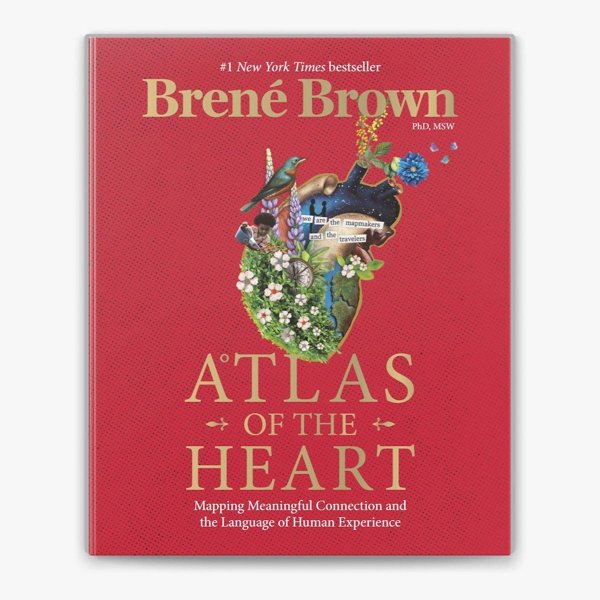
I love this one as an emotional dictionary. So many of us with ADHD experience big emotions, but naming what’s happening can be tricky, and this book helps us build language around our emotional experience, which is such an important part of emotional regulation.
Best for: Building emotional vocabulary so we can better understand and name what we’re experiencing.
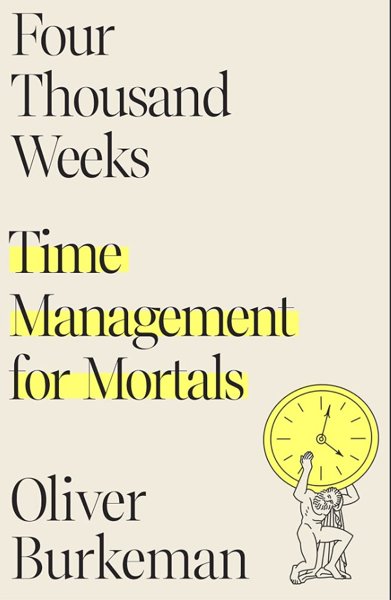
I love this book because it gently but directly pushes back on the fantasy that we can optimize our way out of being human. For ADHD brains, this can be such a helpful reframe: we don’t need to do everything, and we get to choose what deserves our time, attention, and energy in this season.
Best for: Reframing time, capacity, and the pressure to do everything.
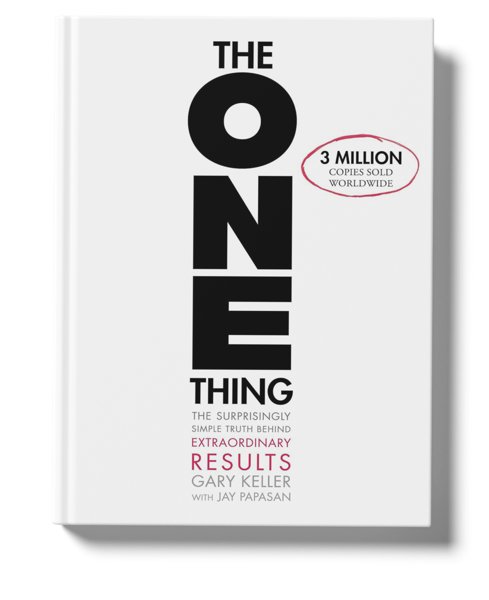
This is one I return to often when everything seems important, and my brain wants to chase twelve directions at once. I especially appreciate the focusing question because it helps us identify the next most important thing, quiet the noise of the full to-do list, and come back to the next right step.
Best for: Clarifying priorities when everything seems important.
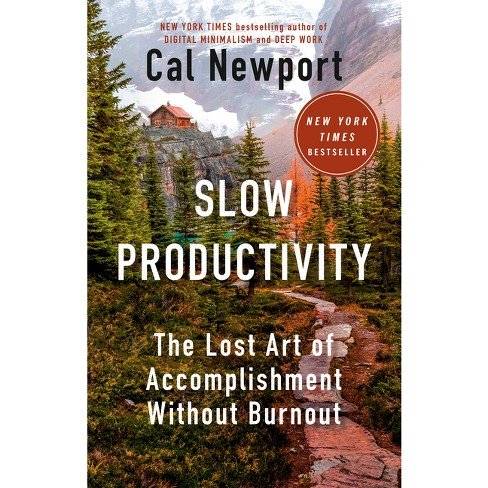
I appreciate this book because it challenges the burnout-based version of productivity so many of us have absorbed. Rather than trying to cram more into every hour, it invites us to do fewer things, work at a more natural pace, and create breathing room.
Best for: Redefining productivity in a way that honors energy, pace, and sustainability.
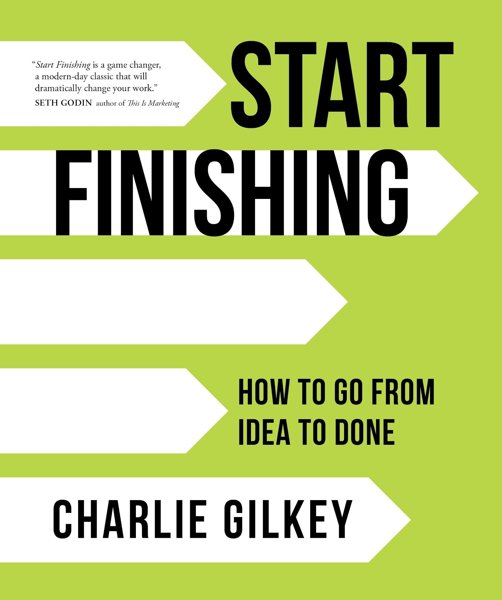
This book is great for bridging the gap between big ideas and actual follow-through. I appreciate how Gilkey breaks large projects into more manageable pieces while also addressing the internal stuff that gets in the way: perfectionism, distraction, avoidance, and resistance.
Best for: Turning big ideas into doable projects without getting lost in the messy middle.
I love this book because it lowers the stakes of change. Instead of needing the perfect plan, we get to create a simple hypothesis and run a small experiment, which helps interrupt perfectionism, overthinking, all-or-nothing thinking, and the fear that we have to get it right before we begin.
Best for: Trying new strategies with less pressure, more curiosity, and smaller steps.
We use cookies to ensure that we give you the best experience on our website. If you continue to use this site we will assume that you are happy with it.
You can revoke your consent any time using the Revoke consent button.